
Artificial intelligence can be a boon to conservation science.
Daniel Thornton, associate professor of wildlife ecology at Washington State University, details why.
Faculty Bio:
Dr. Thornton studies the spatial ecology and conservation of mammals, with an emphasis on mammalian carnivores. His work spans the Americas, and integrates a variety of partners from agencies, NGOs, and communities. Dr. Thornton’s research interests include the influence of human activities on the distribution of species, methods for studying carnivores, and transboundary conservation.
Transcript:
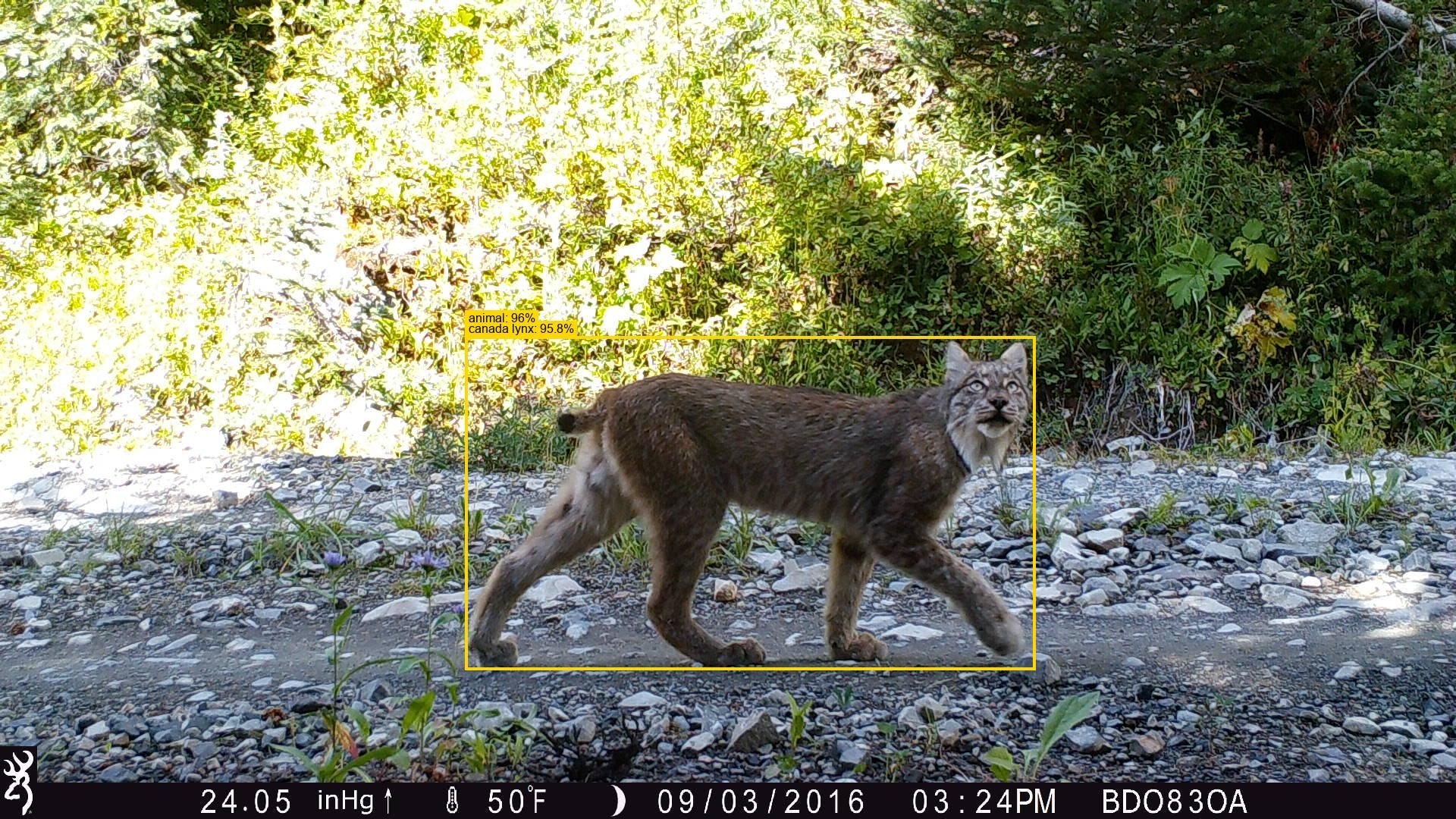
One of the most common methods to study elusive and threatened species like wolves, jaguars and lynx are motion-activated cameras placed in forests and other wild landscapes that can collect millions of images of wildlife during a project. However, a major challenge is processing the images - somebody must go through all those photos and identify what species appears in each one. Traditionally, that’s meant graduate students and undergraduate volunteers spending months reviewing images before the actual science begins.
Our new research asked a simple question: what if artificial intelligence could handle that process almost entirely on its own?
We tested a Google AI system called SpeciesNet using wildlife images collected in Cascade Mountains, Glacier National Park, and Guatemala’s Maya Biosphere Reserve. Then we compared statistical models of species distribution that were produced either using AI or human-based identifications of species.
What surprised us was how close the results were.
The AI-based models matched the human-based models for about 85 to 90% of the species. Even when AI occasionally misidentified animals in the images, the overall ecological patterns were still remarkably accurate. In other words, our conclusions about where species were located and what factors influence their presence were the same, whether we used the AI identifications or the human ones.
That matters because it changes the timeline of camera-based studies dramatically, from several months to less than a week.
For conservation, speed is important. The faster researchers can process information, the faster wildlife managers can make decisions. For example, if cameras detect fewer lynx in one area or show wolves moving into a new region, managers could spot those trends sooner and make decisions rapidly. Smart use of AI can remove a major bottleneck so scientists can spend less time sorting photos and more time understanding and protecting wildlife.
Read More:
[British Ecological Society] - Identification of camera trap images by artificial intelligence and human experts produces similar multi-species occupancy models