What role does friendship play in political and resistance movements?
Kim Miller, professor of art history, and coordinator of the Peace and Social Justice Studies Program at Wheaton College, examines this.
Faculty Bio:
Kim Miller is Professor of Art History, and Coordinator of the Peace and Social Justice Studies Program at Wheaton College. Formerly, she directed Wheaton’s Women’s and Gender Studies Program (2006 – 2020), served as co-director of the Institute for the Interdisciplinary Humanities, and held the Jane Oxford Keiter Endowed Chair in the Humanities and Social Sciences. Kim is also a research associate at the University of Johannesburg, South Africa, where she works to develop strategies to expand access to education for underserved populations. She serves as a professional mentor for South Africa’s “Future Professors” program, a nation-wide effort which aims to support young faculty and graduate students of color with their research and scholarship as they advance through the faculty ranks.
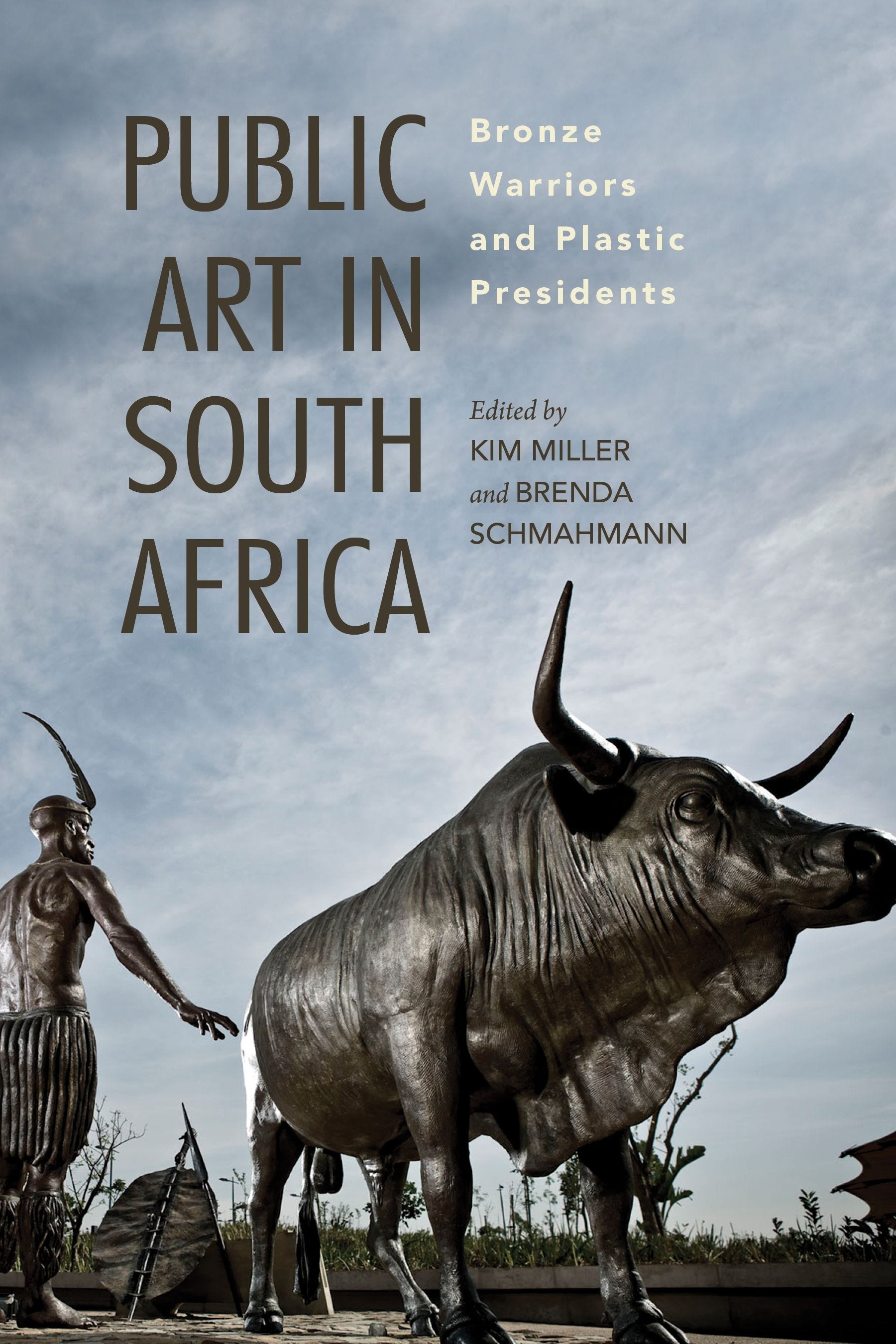
Kim’s research focuses on the ways in which women artists and activists in South Africa use artmaking as a form of activism and empowerment, particularly in the context of that country’s anti-apartheid movement. Her forthcoming book, How did they Dare? Women’s Activism and the Work of Memory in South African Commemorative Art, examines how memorial practices and commemorative sites are associated with women’s political struggle in South Africa’s anti-apartheid movement. Kim is co-editor, with Prof Brenda Schmahmann, of the book, Bronze Warriors and Plastic Presidents: Public Art in South Africa, 1999 – 2015.
Transcript:
In 1955, two South African women brazenly defied apartheid laws when they slipped past the feared security police, boarded a plane for the first time in their lives, and crossed the world to speak the truth about what was happening to their country.
Lilian Ngoyi and Dora Tamana were formidable activists, skilled organizers, and close friends — chosen as delegates of the Federation of South African Women to represent the anti-apartheid cause abroad. Their illegal journey took them to Switzerland, England, Germany, Romania, China, and Russia, where they stood before crowds and described the cruelties of apartheid with clarity and courage. When they returned home, they worked with other women activists to organize the 1956 Women’s March. The largest public demonstration in the history of the anti-apartheid movement.
My research asks a question history has largely ignored: what role did friendship play in sustaining that movement? What role does friendship continue to play as a sustaining force in political and social movements?
My work considers friendship as a “knowing practice” in the way that Audre Lorde imagined it, to understand the development of political subjectivity in the lives of female anti-apartheid activists. How might a close examination of women’s lives demonstrate how relationships between women strengthened the resistance movement and rejected the patriarchal and separatist ideology of apartheid?
Through letters, diaries, newspapers, and photographs, I’ve been recovering what I call hidden histories — the intimate bonds between women that made political resistance possible. These were not incidental relationships. Ngoyi and Tamana’s friendship survived imprisonment, torture, solitary confinement, and house arrest. They held each other up when the state tried to break them down.
African feminist scholars are now building a rich body of work that theorizes these bonds — understanding friendship and intimacy not as private matters, but as political ones. My work joins that conversation, centering the women who dared to resist, together.
Read More: