


Do you feel loved?
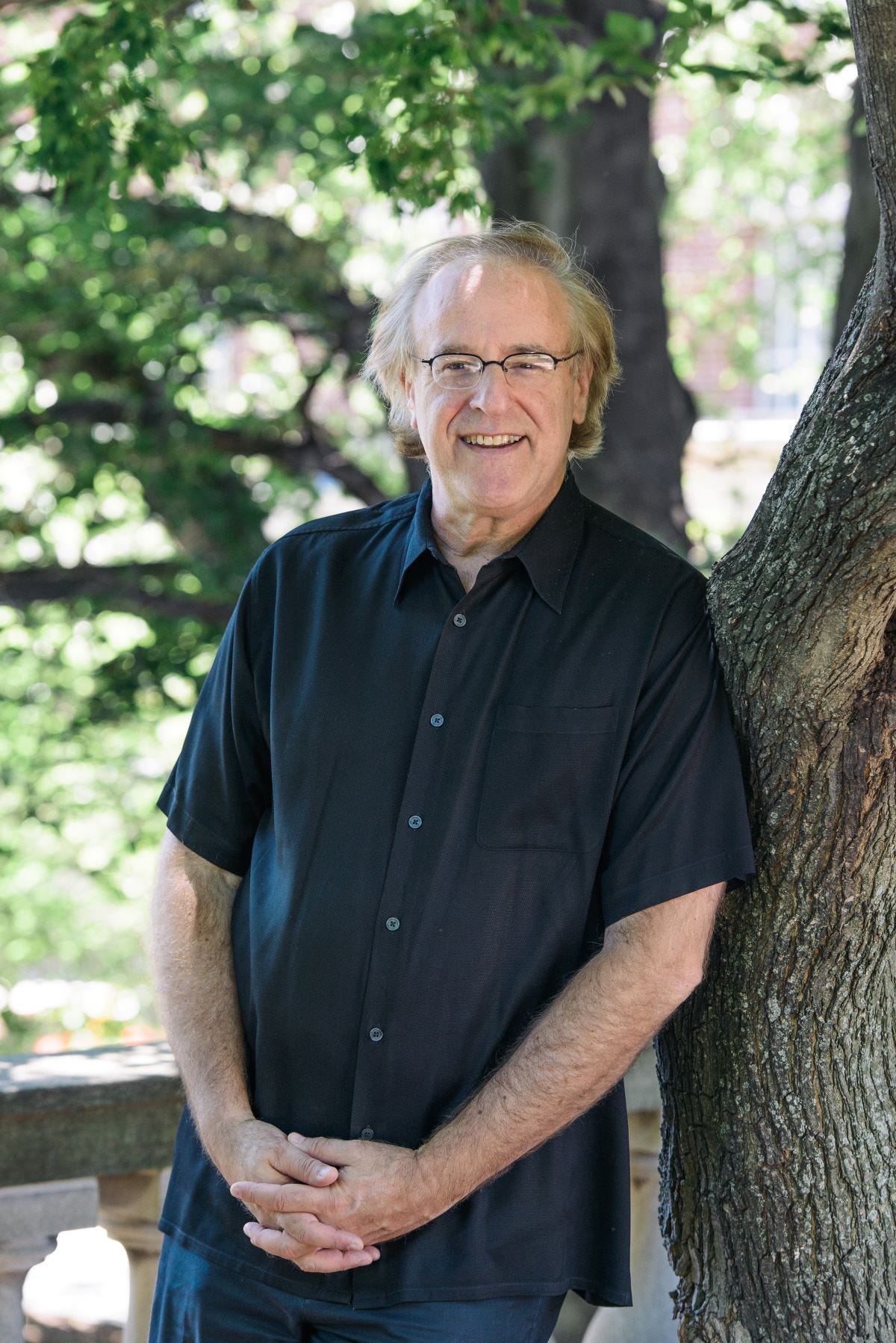
Harry Reis, professor of psychology at the University of Rochester, examines why most do not.
Faculty Bio:
Harry Reis, a professor of psychology at the University of Rochester, is one of the world’s leading experts on relationships and connection and has studied the complexities of well-being and love in depth. His research examines the factors that influence the quantity and closeness or social interaction, and the consequences of different patterns of socializing for health and psychological well-being. Truly feeling loved, he has found, differs widely from the actions that we usually associate with loving, being loved, and falling in love.
Transcript:
Most people want to BE loved, but above all, they want to FEEL loved. Ask yourself: Do you feel loved as often as you would like? Do you feel loved by the people you want to feel loved by? A book I co-authored with Sonja Lyubomirsky, How to Feel Loved, is meant to help people find, keep, and grow the love they feel.
In our research, roughly two-¬thirds of a random sample of Americans wanted
to feel more loved or loved more often.
Studies show that not feeling loved is the root of the so-called loneliness epidemic; it hampers performance at school and work; it harms our health and well-being, and it even predicts dying sooner. Feeling loved is not a luxury, it’s a necessity.
Ironically, some of the most common ways we try to feel more loved can make things worse, not better:
For example, we try to make ourselves appear more attractive and successful;
We spotlight our positive qualities while hiding our weaknesses and vulnerabilities.
But feeling loved is not about changing yourself or making another person love you. It’s about changing the conversation.
The pathway to feeling more loved begins with conversations that help your partner feel more loved. Listen attentively to what they say and show genuine curiosity into what makes them tick. Be non-judgmental and open-hearted. This approach invites your partner to reciprocate your curiosity and caring.
When you help another person feel loved, they become interested in you. When this happens, it is important to share your full self: not just your accomplishments and strengths but also your shortcomings: the authentic person you believe yourself to be. By opening up, you allow yourself to be seen and understood.
Adopting the right mindset – the attitude with which you approach others – creates the conditions in which love and connection can flourish.
Read More:
[Amazon] - How to Feel Loved: The Five Mindsets That Get You More of What Matters Most


