


Can you trust your gut to heal your brain?
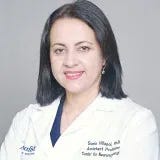
Sonia Villapol, associate professor and neuroscientist at the Center for Neuroregeneration and the Department of Neurosurgery at the Houston Methodist Research Institute, delves into the microbiome.
Faculty Bio:
Dr. Sonia Villapol is an Associate Professor and neuroscientist at the Center for Neuroregeneration and the Department of Neurosurgery, Houston Methodist Research Institute (Houston, TX). She received her B.Sc. in Molecular Biology and Biotechnology from the University of Santiago de Compostela (2003) and completed an M.Sc. and Ph.D. in Neuroscience at the Autonomous University of Barcelona (2007). She pursued postdoctoral research at the CNRS–Université Pierre et Marie Curie (VI) and INSERM in Paris, and later at the National Institutes of Health/Center for Neuroscience and Regenerative Medicine and the Uniformed Services University in Bethesda, MD. In 2014 she joined Georgetown University as a Research Assistant Professor of Neuroscience, moving to HMRI in 2018.
Dr. Villapol’s work, funded by the NIH, Department of Defense, and private foundations, investigates mechanisms of neuroinflammation and neurodegeneration across AD and TBI models, the brain–gut axis, and the development of neurorestorative drug-delivery systems. She has published more than 80 peer-reviewed articles and book chapters.
Transcript:
Brain injuries and neurodegenerative disorders such as Alzheimer’s disease remain some of the greatest challenges in modern medicine. My research is centered on understanding how inflammation, the immune system, and the gut microbiome interact to shape brain health after injury and during disease progression.
When the brain experiences trauma, such as a traumatic brain injury, the damage extends far beyond the initial event. The injury triggers a cascade of biological responses that includes immune activation, metabolic dysfunction, and communication among multiple organs, particularly the brain, liver, and gut. This interconnected network, often described as the gut-brain axis, plays a critical role in regulating inflammation, recovery, and long-term neurological outcomes.
In our laboratory, we investigate how signals derived from the microbiome influence the brain’s immune environment and how these interactions can amplify or prolong neuroinflammation after injury. We are especially interested in understanding how these processes may contribute to neurodegenerative conditions such as Alzheimer’s disease, where chronic inflammation is believed to accelerate disease progression.
To address these questions, our work combines a wide range of approaches, including animal models, clinical research, microbiome sequencing, integration of personalized data using AI, advanced imaging, and nanomedicine. One major focus is the development of targeted nanomedicine therapies that deliver treatments directly to specific brain cells involved in inflammation and tissue damage. At the same time, we are exploring whether modulating the microbiome through diet, probiotics, or related strategies can help restore balance to the gut-brain axis and promote recovery after injury.
By integrating microbiology, neuroscience, and biomedical engineering, we aim to uncover new mechanisms and identify innovative therapeutic opportunities. Ultimately, our goal is to translate this knowledge into more effective treatments that protect the brain, reduce long-term damage, and improve patient outcomes. The future of brain health may depend not only on treating the brain itself, but on understanding the entire biological system that supports it.


