


We have much to learn about wildfires.
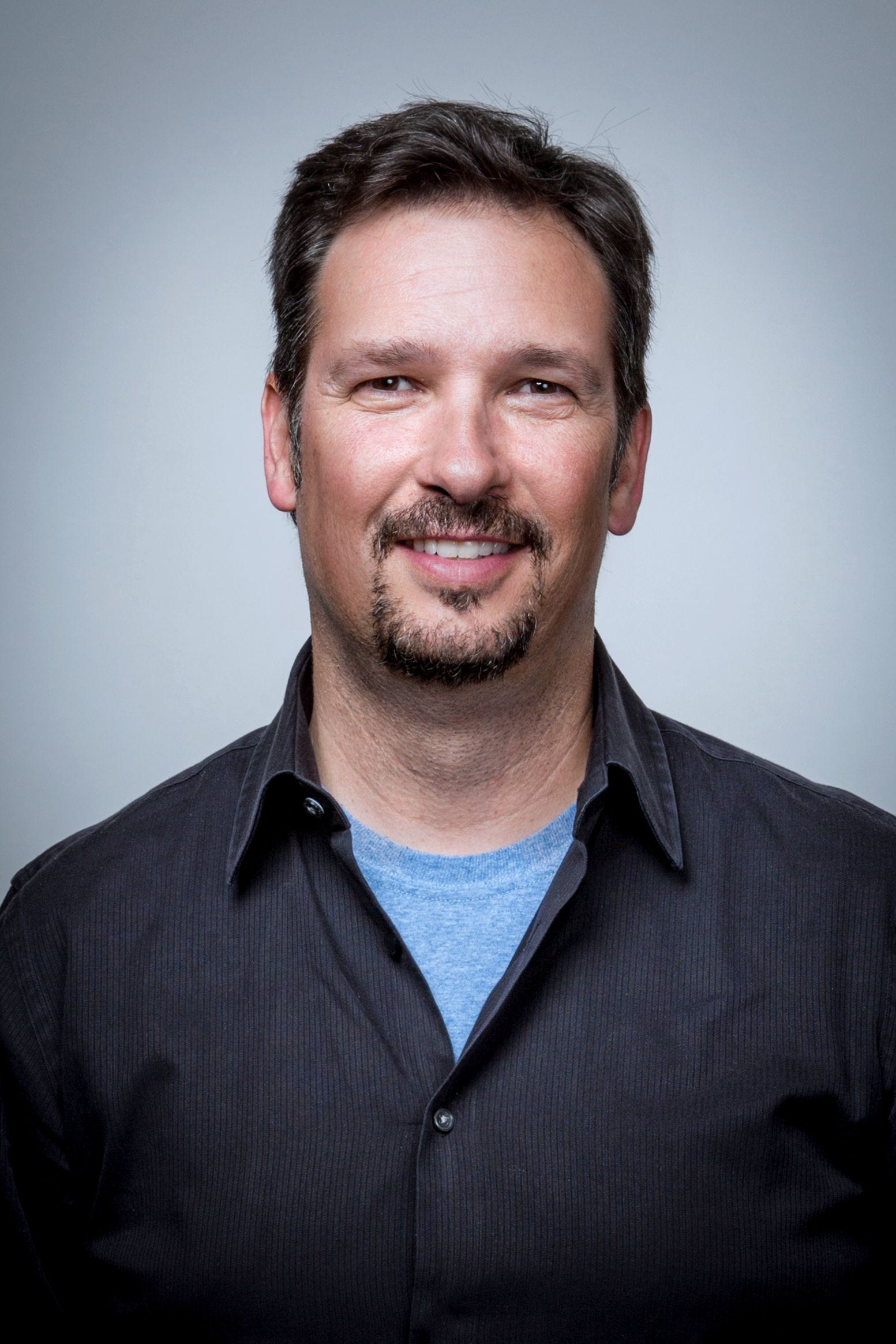
Craig Clements, professor and chair of the Department of Meteorology and Climate Science at San Jose State University, uses a research lab on wheels to get close to the action.
Faculty Bio:
Craig Clements is a professor and chair of the Department of Meteorology and Climate Science at San José State University, where he is director of the Wildfire Interdisciplinary Research Center (WIRC) and director of the Fire Weather Lab. His research focuses on the micro-meteorology and behavior of wildland fires, mountain and boundary-layer meteorology, air pollution and turbulence.
His research and teaching focus includes wildfire meteorology and fire weather, extreme fire behavior, mountain and boundary-layer meteorology, turbulence, and meteorological instrumentation.
Transcripts:
Californians are concerned about the growing threat of extreme wildfires, such as the recent Pacific Palisades and Altadena fires, that resulted in loss of life and extensive property damage. But residents of other states, including Washington, Oregon, Texas and parts of the Midwest and Southeast are now facing increased dangers from wildfires.
My research seeks to improve accurate predictions in wildfire science, a field that wasn’t even on the map when we began our work well over a decade ago. Since then, we launched the mobile fire weather lab--which allows us to travel to the fires--similar to the ways scientists have studied hurricanes and tornadoes--learning about their formation and dynamics for better prediction models.
We’re really the only team that’s done this for wildfires, which are significantly under-sampled compared to all other atmospheric phenomena.
Our “research lab on wheels” consists of a pair of lifted pickup trucks, both four-wheel drive, with state-of-the-art equipment, including Doppler LIDAR surface weather equipment and an upper air sounding system--basically a weather balloon--satellite radio to communicate with fire personnel, a suite of laptop computers, and other useful gear. Our team drives around forests and mountains using the two trucks in tandem to study fire dynamics and wildfire plumes.
We gather, examine and provide useful data, much like that which is collected in severe weather and hurricane research, to better understand key elements of fire behavior and to test models and forecast systems. We collect information from the ground, but also from airborne assets and remote sensing satellites.
When it comes to wildfires, it’s notable that their frequency and intensity is the result of a complex interplay of climate, topography, and vegetation. Extreme wildfires bring these elements and other factors together in ways that can become so powerful that they can actually create their own weather.
Read More:


